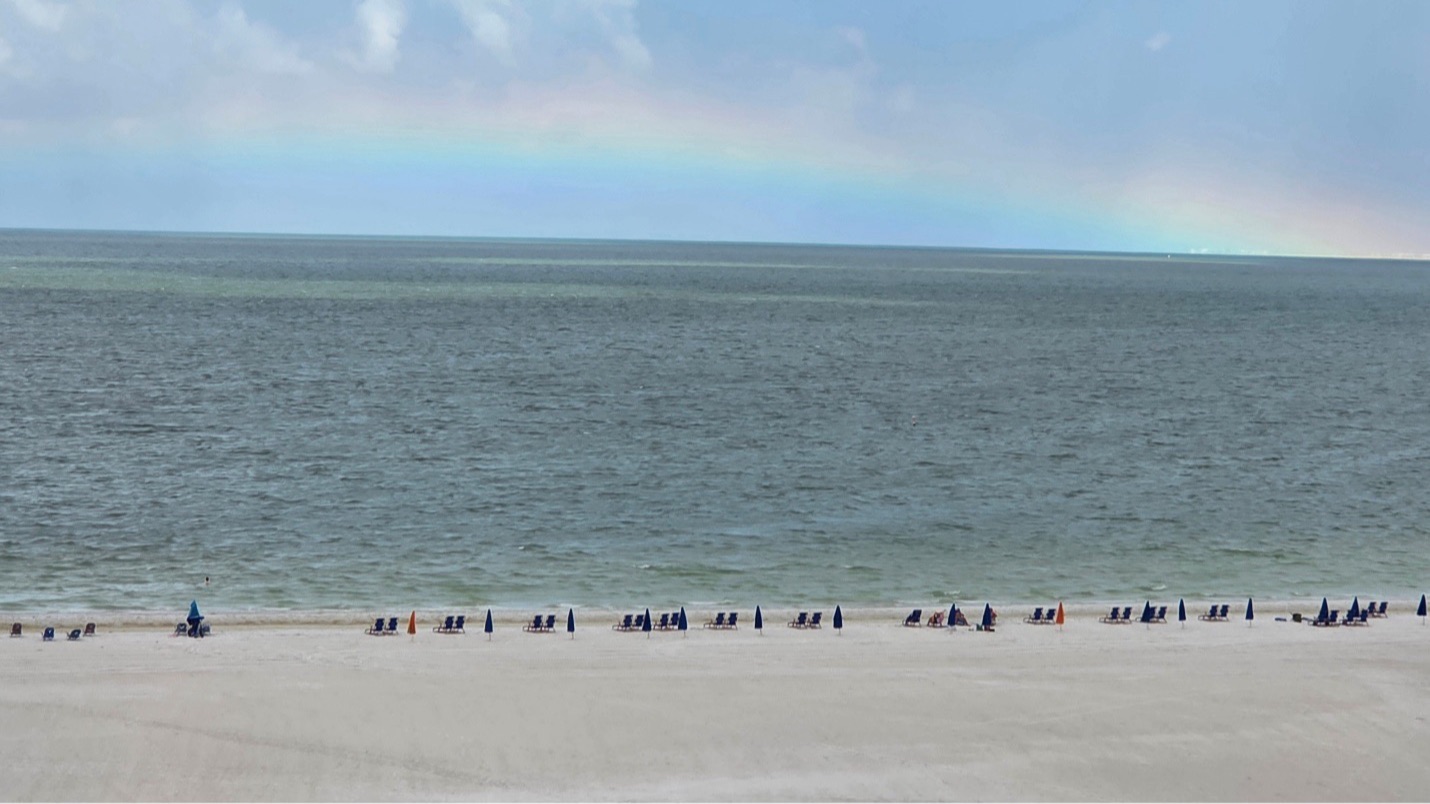
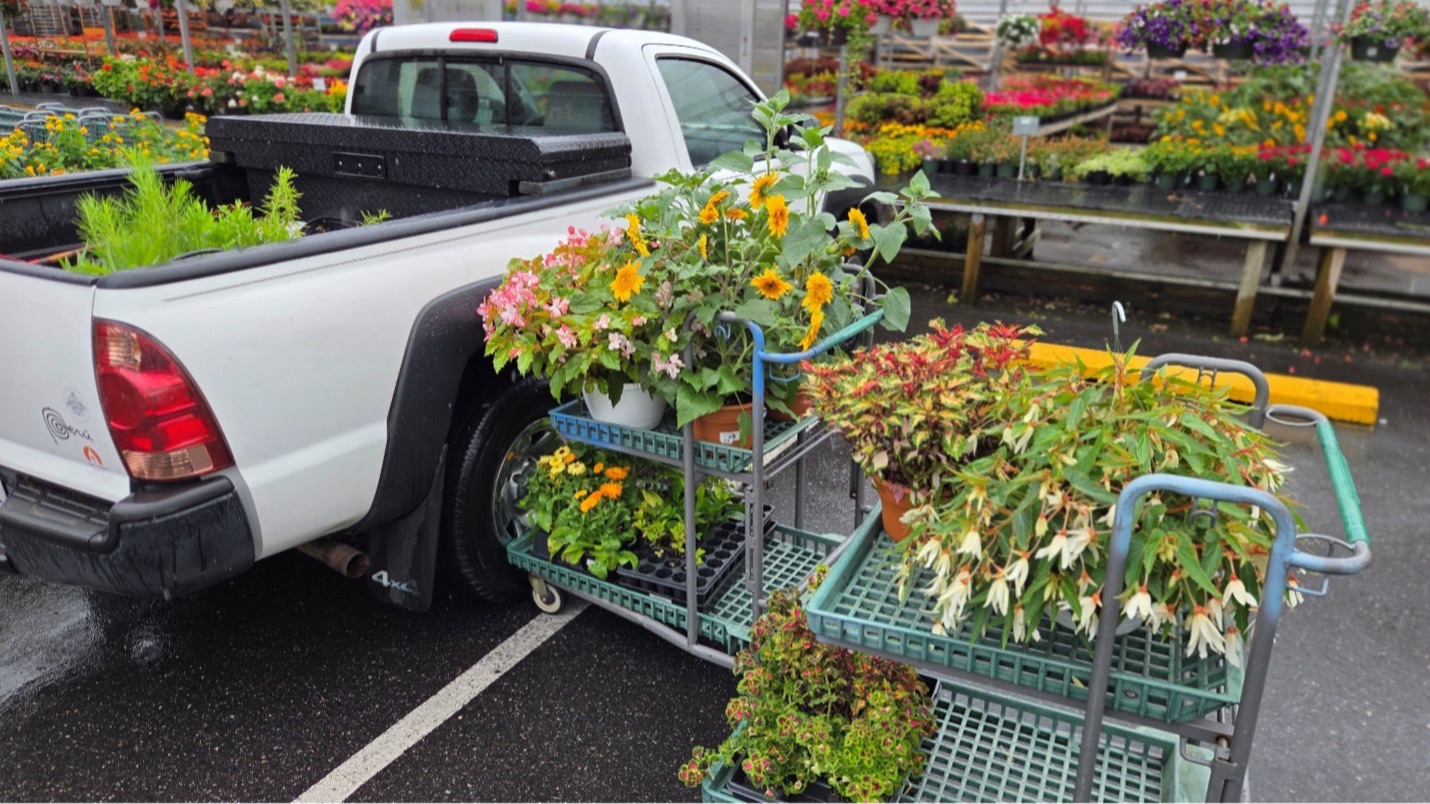
This week I am writing after returning from work on projects in Missouri and before heading to a garden in Geneva later next week.
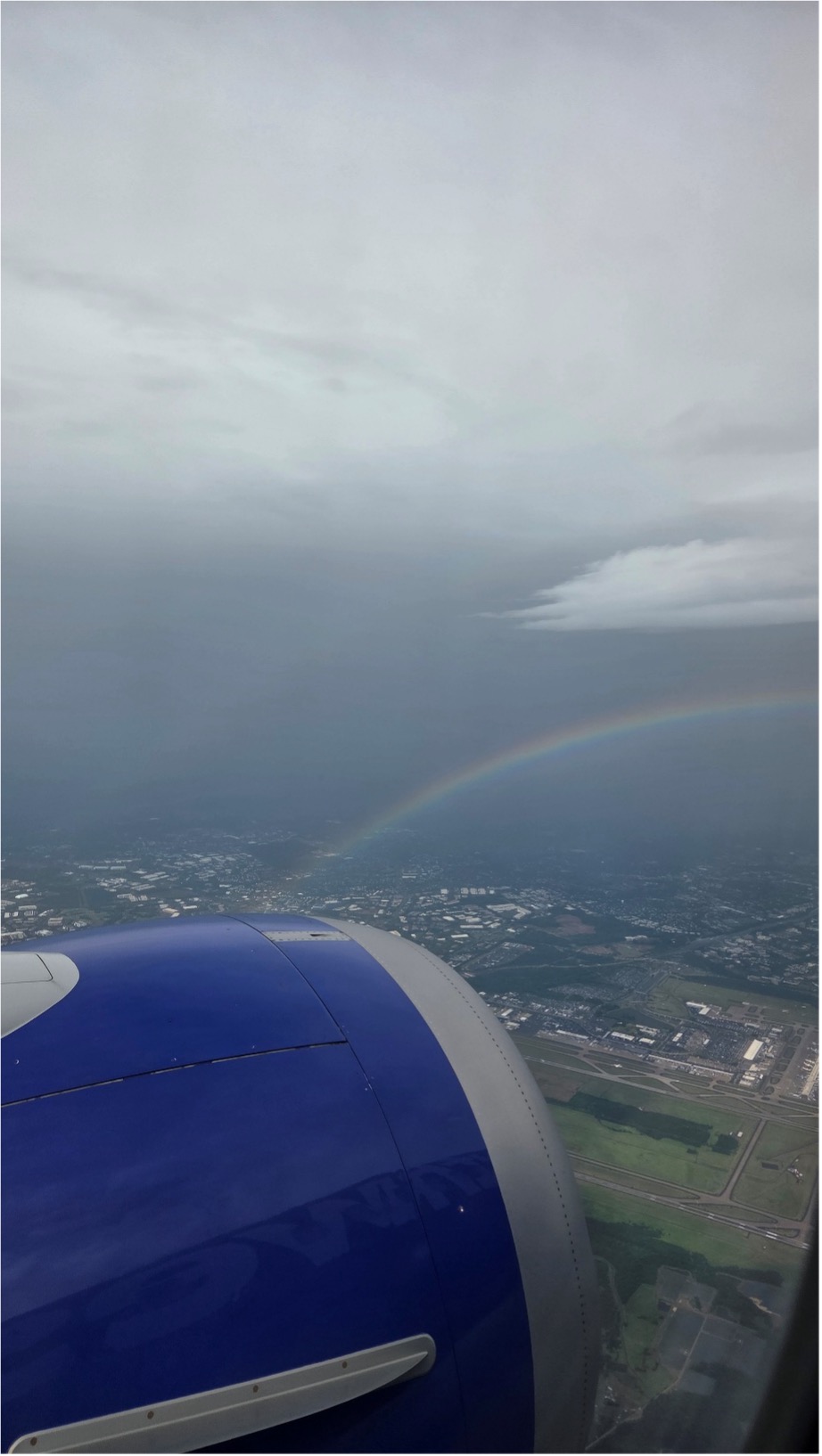
One of the interesting things about my long practice is how it has spread out over the years. Every so often I leave the gardens I get to spend practically weekly time with and dedicate time to projects that I don't get to see as often. Sometimes it is for a few days, sometimes for a week or so. Last week found me working in the Midwest. Later next week, I will spend a few days in Switzerland. Before long, I will be back in DC, walking through the familiar gardens that occupy most of my days.
Travel is often celebrated for exposing us to new places, new ideas, and new ways of living. Some of us love it for this, crave it and are ready to pack a bag and take off at any moment or excuse. Others of us prefer to stay put. Regardless of how the idea of travel strikes us, I do believe there is a special value in it.
Elsewhere helps us see home.
I am a truly uneasy and reluctant traveler. Very much a homebody, I like my routine, my truck, my tools at hand. I like my little design studio and my own garden refuge. Having 'travel projects' in my practice (even though they have developed their own rhythm) forces me out of my steady routine and makes me shift gears. Although I sometimes resent it, I also see its value, to my quotidian gardens in my regular practice and the gardens in my travel practice that get my special, zoomed in attention.
When we spend enough time in a garden, we stop seeing parts of it. Familiarity has a way of smoothing over details. We become accustomed to the overgrown shrub, the view that has slowly disappeared behind a tree canopy, the perennial that has been underperforming for years. How messy the compost area has become. We know these things are there, but we no longer really notice them.
The same thing can happen in our work. We develop habits, routines, and ways of seeing that serve us well. Over time, however, those same habits can become assumptions. When we work in the same way, at the same pace, and in the same routine, it can become easy to stop challenging ourselves to think critically and act with intention and urgency.
Then we go elsewhere.
We walk through a different garden, in a different climate, under different circumstances. We notice how another gardener has solved (or caused) a problem. We see a plant used in a way we had never considered, or finding its way on its own. We encounter a landscape that feels completely foreign, or surprisingly familiar.
And somewhere in the process, we begin looking more carefully again.
When I go away, I find this becomes true for all my gardens. Of course, the ones I only get to visit occasionally are full of surprises. Arriving to them is always a bit of a 'blind date'. But it also becomes true for the gardens I have left behind for a minute. Returning to them, I have refreshed intentions - like getting together with an old friend and picking up somewhere close to where we left off.
Earlier this week I found myself in a conversation about a major garden's future. A garden that is not even part of my own practice. Plans, projects, improvements, and possibilities all entered the interesting discussion. But before deciding what a place might become, it seemed important to ask a simpler question: what is this place already? What is this place right now?
It is a conversation I would not have had if I remained in my regular routine and among my regular gardens. It reminded me that the value of elsewhere comes from knowing a place well enough to leave it for a while. If everything is elsewhere, then elsewhere eventually becomes routine. If everything is routine, it is easy to lose sight of the ‘right now’. The value is, I think, found in moving between the two with some balance: leaving home long enough to see differently and returning home with fresh eyes and new ideas (and before things really get away from you!)
Is the travel valuable because it shows us somewhere else; or is it valuable because it helps us see where we already are? Maybe both can be true.
Sometimes the perspective provided by elsewhere helps us answer that question.