It is easy enough to stay out of the tulip beds and spring flowers now that they are up and in bloom, but throughout the garden all kinds of other things are waking up. The first growth of perennials and ferns is just pushing up in our cultivated beds, and bright green lawns are inviting us across.
It is very easy, in the rush of spring work, to do damage without even noticing.
So this week, a small reminder — watch your step.
Emerging Growth
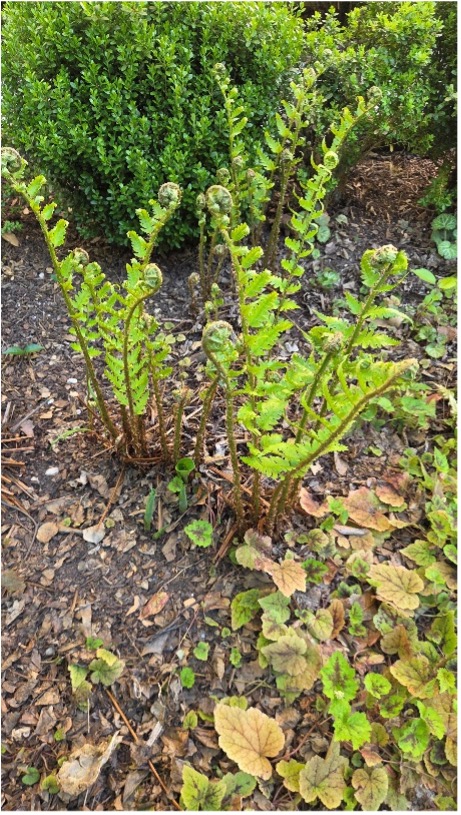
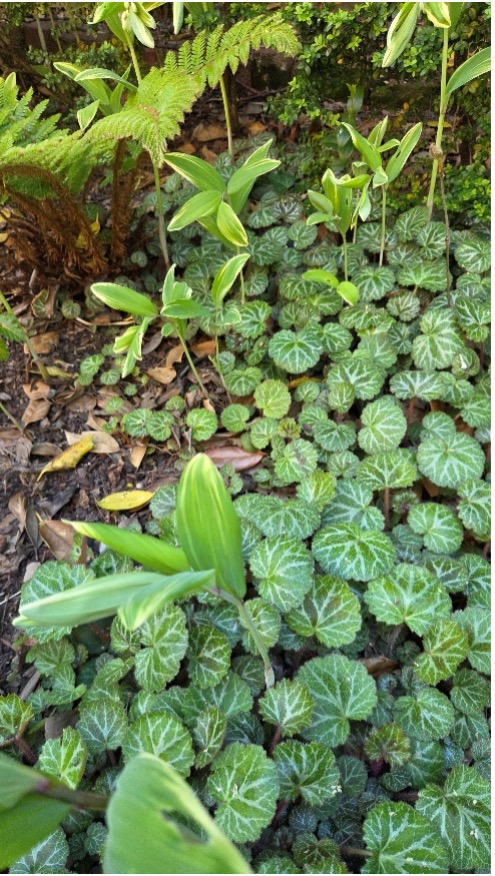
In many of the gardens right now, the first push of perennials and ferns is underway — often in places we have forgotten. Most perennials have been gone for so long, since last autumn, and ferns cut back earlier in the spring are easy to miss.
Delicate fronds are just beginning to unfurl, still tight and vulnerable. Perennials are breaking the surface — poking and pushing through, small and indistinct. It is all easy to miss if you’re not looking closely.
At this stage, everything is soft. A single misplaced step can undo weeks of quiet work beneath the soil. Early growth sets the tone for the entire season.
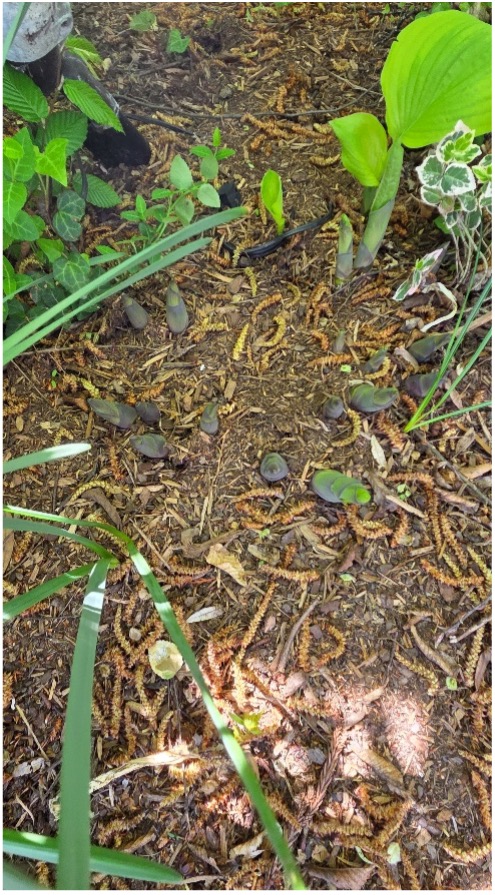
Old gardeners have a sensitive step. I swear I can feel through my boot if I have put a foot down wrong and can usually pull up before damage is done. That said, I have also witnessed gardeners plant a heel directly on an emerging hosta stem without even noticing. It takes a while to develop the sense. Sometimes it is driven in by the screams of a head gardener or a sensitive plant person yelling, “remove yourself!”
This is the moment to move with care and caution through planting beds. To take an extra second before stepping in — wiggle the tip of your foot around to find a clear spot and feel through your sole that you are in the right spot. Try to remember where things live, and where they are about to. And listen for screams.
Wet Soil
Spring brings (hopefully) a lot of rain, and good garden soil holds a lot of water. We do diligent of work — and spend both time and money — to build and cultivate the soil in our planting beds. As we all know, “dirt cheap” is a true oxymoron in the garden.
After rain — and even on cool, overcast days — planting beds can be more saturated than they appear.
Stepping on to wet soil compresses it. It closes off the small pockets of air that roots depend on, and once compacted, it is not easily undone. One day of careless traffic can be an enormous setback for the soil.
If things feel even slightly questionable underfoot, they probably are. Back out — or better said, float out.
Better to pause, reach in from the edge, come back when conditions are right, or go work on something else.
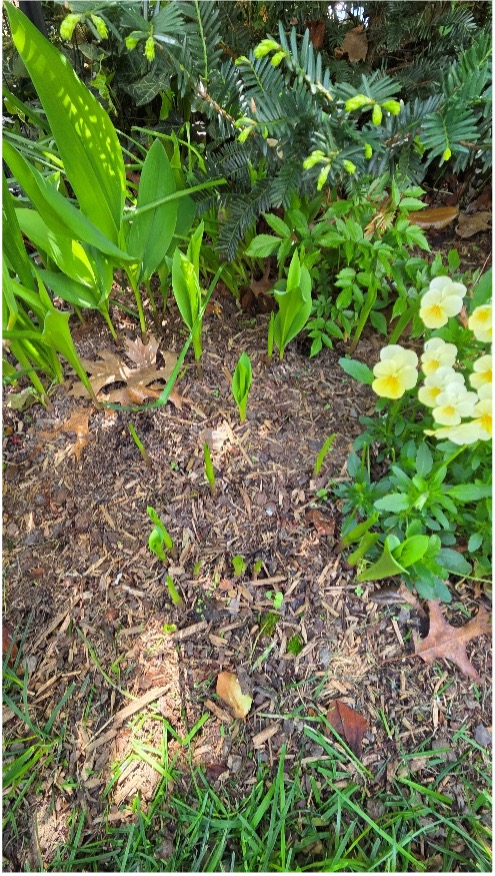
The Lawn
Lawns, too, are just beginning to wake up. If you have been diligent and fall-seeded and spring-fertilized, they are roaring into green.
In the spring, before the first mow, the grass is tender and the ground beneath often soft. Walking across it repeatedly can leave marks that linger longer than you might expect. Step lightly.
If you were late to the game and have seeded in early spring, footfall can be crushing. A client once told me I traumatized her kids by telling them that stepping on a newly seeded lawn was like stepping on the heads of hundreds of tiny babies. Good!
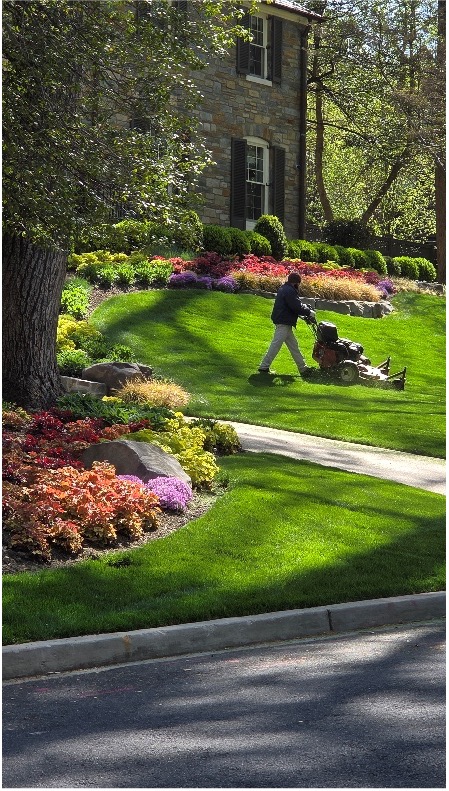
Once the spring grass has been cut and is actively growing, it can take more use in stride. But right now it is still in a tender stage, and damage done is hard to correct.
Finally, even through the summer, in our finer gardens with turf, the mow is always first — before the gardeners head across.
If you can, move lightly this spring as you head across and set upon the lawn. It is not carpeting — it is living. Don’t ‘keep off the grass’, just respect it.
A Small Adjustment
None of this is complicated. But it does require a shift — from moving through the garden to moving with it.
A bit of awareness.
A little patience.
A hint of respect.
And perhaps a reminder that not all progress comes from what we do.
Sometimes it only matters how we position ourselves.