WHERE TO START
As the spring season begins to charge ahead, the list of “to-do’s” can certainly feel overwhelming. In my own practice, with many gardens in play, I am absolutely feeling the pressure. This week in gardening, I thought it might be interesting to examine a simple question: where to start?
Take a critical look
Before I pick up a tool, set a task, or engage in any specific project, I like to take a little time for a walk through the garden. It’s a valuable exercise—to observe without doing anything at all.
Where are we in the season?
What is blooming, or about to bloom?
What looks catastrophic—and what is actually just fine?
Gardens have many elements competing for attention, so the real question becomes: what is the best thing to focus on today that will make an impact?
Impact can mean several things:
What will be best for the garden?
What will be most rewarding to tackle?
Is there anything truly season-sensitive that must be done now?
What can wait for the next visit?
Spending this thinking without acting time is something I try to do with every visit to every garden.
Sometimes I take notes. Sometimes I trust I’ll remember. And I always know the list may change the moment I turn around and look again. That’s part of the pleasure of gardening—it’s dynamic. Managing the logistics is part of the craft, and the goal is not to pretend you can manage everything at once.
There will always be more to do. I promise.
How to
I find it is always rewarding—both professionally and personally—to make an impact with each garden visit. It’s satisfying to look back at the end of the day and see that something has happened.
With thoughts collected, you can begin to focus. I like to consider how much time I have, what I can realistically manage, and what kind of help is available.
I try to choose a task that I (or we) can complete fully—without getting overwhelmed—and that will leave things a step better than where I found them. Something that makes a clear, visible difference.
That might be a specific chore (see TWIG 1 for a good early spring task).
It might be focusing on a particular area—entrances, containers, edges.
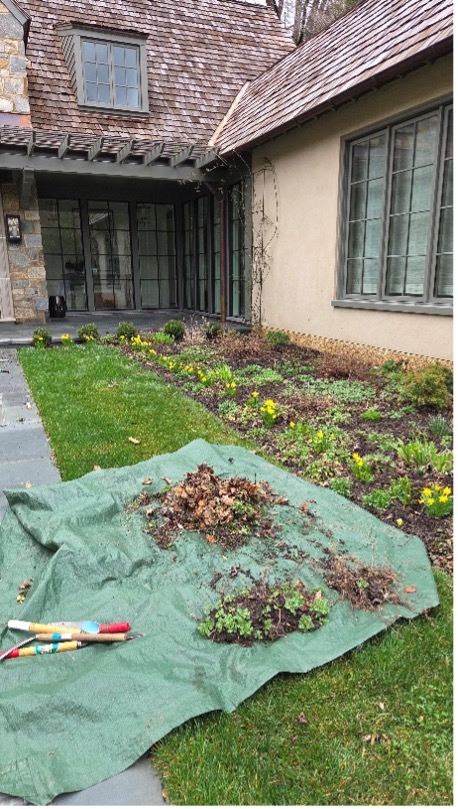
Or it might be something physically satisfying: raking and pulling, reaching up to deadwood, crouching to grab at winter weeds just beginning to wake.
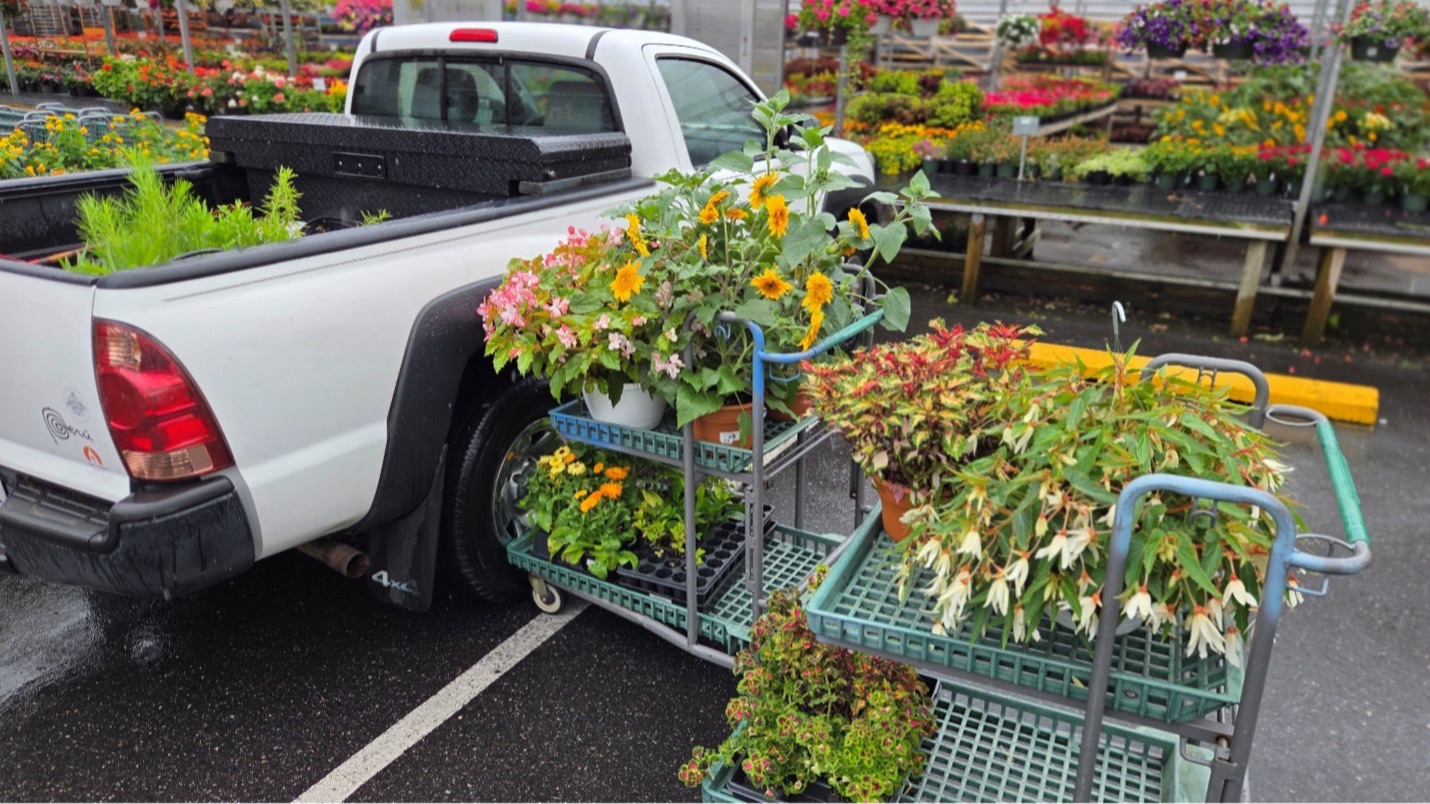
Maybe it’s a day to visit a nursery or garden center—adding fresh spring blooms, hauling bags of fertilizer and mulch.
Be careful not to get in over your head, and don’t forget to leave time to clean up. It’s the pits to spend all your time on a project only to face a heap of debris at the end. Nothing says neglect like undone.
I like to plan for at least a quarter—if not a full third—of my planned time to collect, gather tools, and tidy up.
I’m lucky to often work with fantastic associate gardeners—knowledgeable, reliable, and great company. You might have a team (like we do), or a friend, partner, or kid who can—and wants to (or is required to!)—help.
We like to divide tasks and decide “who wants to do what” as we get started.
Sometimes I feel like working quietly on my own, so I choose something solitary and focused. Other times, everyone is chatty, and we share the work and the conversation.
The key is simple: make it manageable and rewarding—for you and for the garden.
A note on working with professionals
We love when clients want to be engaged in the garden and take on projects—it’s a true sign of how much the place is loved.
If you want to take on something specific, say so—and then do it.
Timing matters in the garden, and gardeners are busy! If a project is claimed and then missed, it can set everyone back. Be as professional as your garden team: communicate clearly, follow through, ask for help or coaching when you need it, and clean up after yourself.
This goes a long way toward being a great client!
Forgive reality
This is a phrase you’ll probably hear me repeat often—here in TWIG and throughout GARDEN CLUB.
It’s easy to look at garden publications, botanical gardens, staged nurseries, and long-tended landscapes—and set unrealistic expectations.
These are wonderful sources of inspiration and study. But your garden is for you and your people.
Break out the bubbly and invite everyone over when things are at their peak! But also try to appreciate the quieter stages, and don’t beat yourself up when things look different. These phases are what makes them interesting!
I like to think that those of us who truly love gardens know how to value them in all their stages, ages, and seasons.