Years ago, about this time of year, Florence and I stepped out onto the back patio of her wonderful garden. Florence was my mentor and my friend. I worked with her in her own garden, and in many others, for nearly twenty years. By that spring, we had already shared many seasons together. I had been working in her garden for about a dozen years; she had been keeping it for a dozen before that.
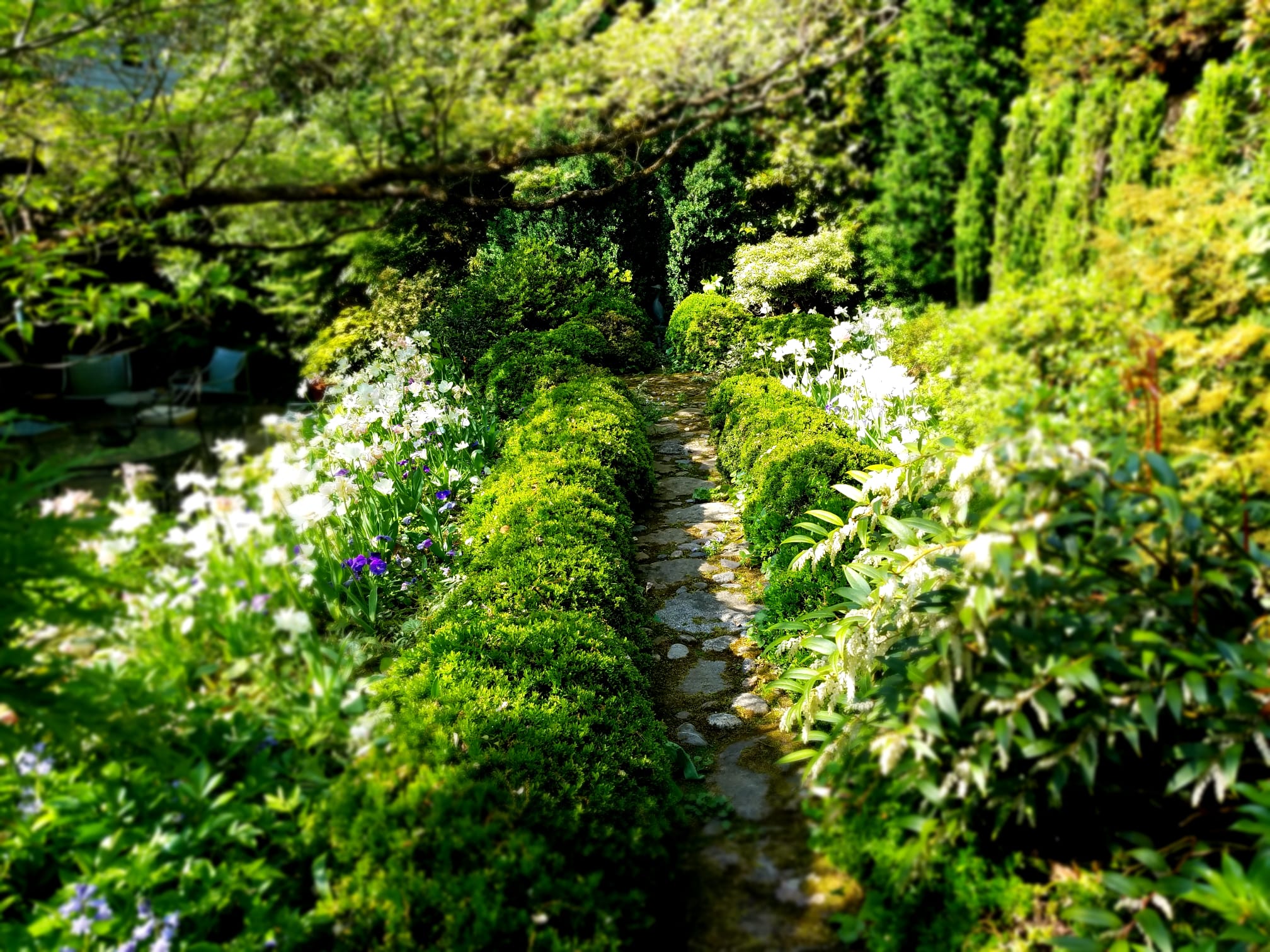
The picture above is from a spring season in her garden in full glory—but that season had passed on this particularly dreary day. It had been rainy, and everything was sodden. Daffodil foliage had flopped everywhere, and the tulips were sincerely done. Even the wet-loving primrose looked mushy, dogwood petals stuck to everything.
Florence crossed her arms, sighed, and said to me, “Well… looks like the party is over, and it’s just dirty dishes in the sink.”
This expression, “dirty dishes in the sink,” has become a kind of shorthand among my garden crowd for this time of year. Today in TWIG, I thought I might talk about how to manage the washing up.
Florence named for us a very specific time in the garden. The first peak has passed. All the expectations set through autumn’s work and winter’s waiting have been met. This time can be a little melancholic, a bit overwhelming—maybe even kind of a hangover. As professional gardeners, we have to sort out how to manage all of the above.
Here is what we are doing…
we are easing ourselves into it.
Order of Work:
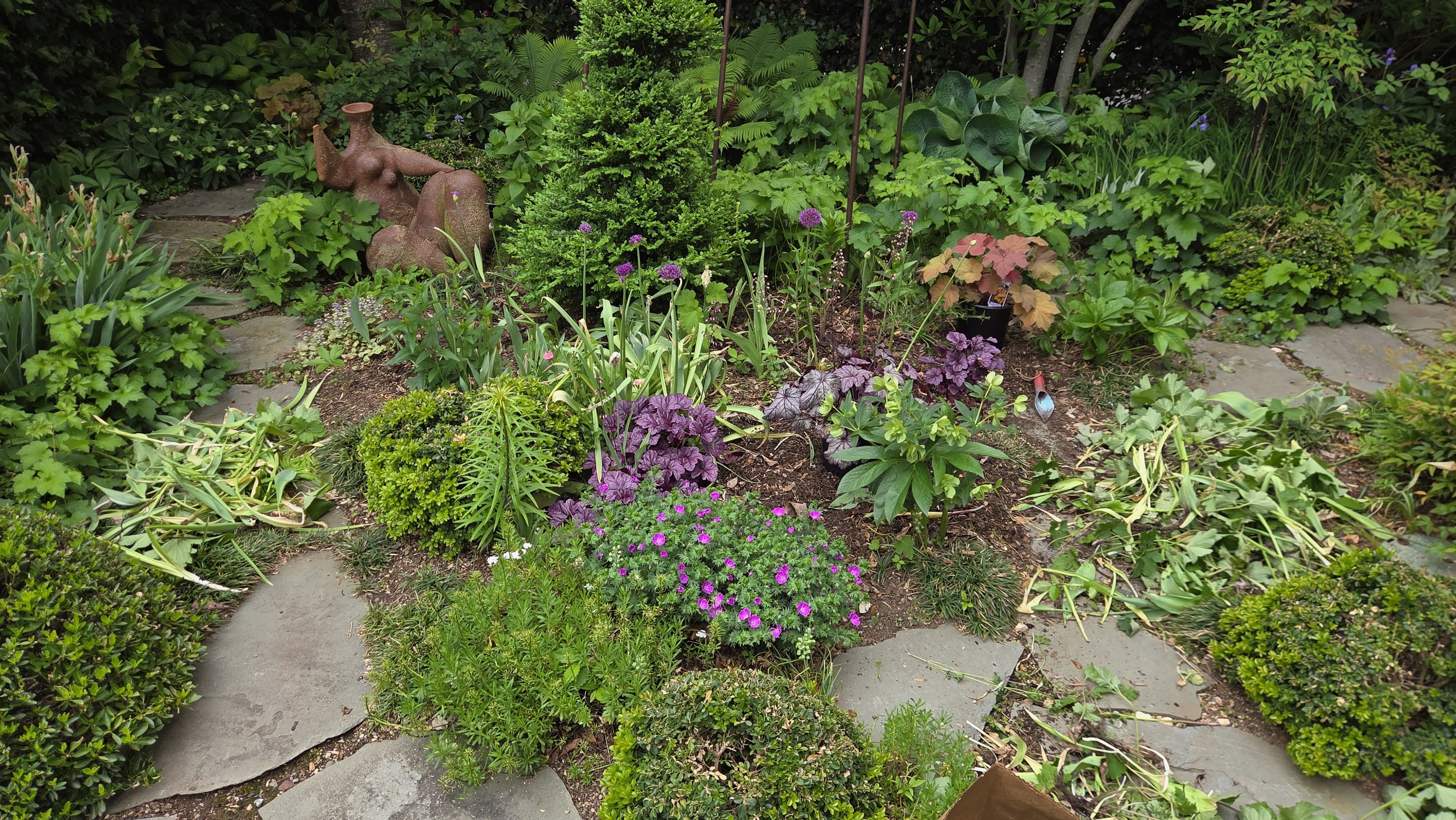
This can be hard. I personally never know when to leave the party. It’s hard to know what wants to go and who wants to hang out when it is over. Are the pansies finished, or are those last three flowers kind of charming? What do I do with the daffodil foliage? Am I leaving these tulips or pulling them?
I’m going to speak generally here and leave some discussion space for “The Gardener’s Stream” or “Office Hours” next week for specifics.
I use two things to make these kinds of decisions—my eyes and my truck space.
I look and see—from a lot of different angles and places around the garden—what looks really sad or finished or… well, the word my old garden team used to use was verklempt (and yes, I had to look up the spelling). I choose a few specific areas to zoom in on, and I accept that the rest can stay in soft focus.
And “truck space”—well, that means deciding what you can handle. This spring clearing generates a lot of debris, and for us, not doing more than we can move around with is an important concern. I think this is kind of a good metaphor for everyone. It is a lot easier to move one bag of bulb foliage a week than four at once.
Pace yourselves, people.
Leaving Space:
All this editing and pulling of spring’s showcase leaves some emptiness. The colorful show of tulips, daffodils, and spring flowers is gone, and the summer perennials are not quite getting going—the garden can feel a little bare.
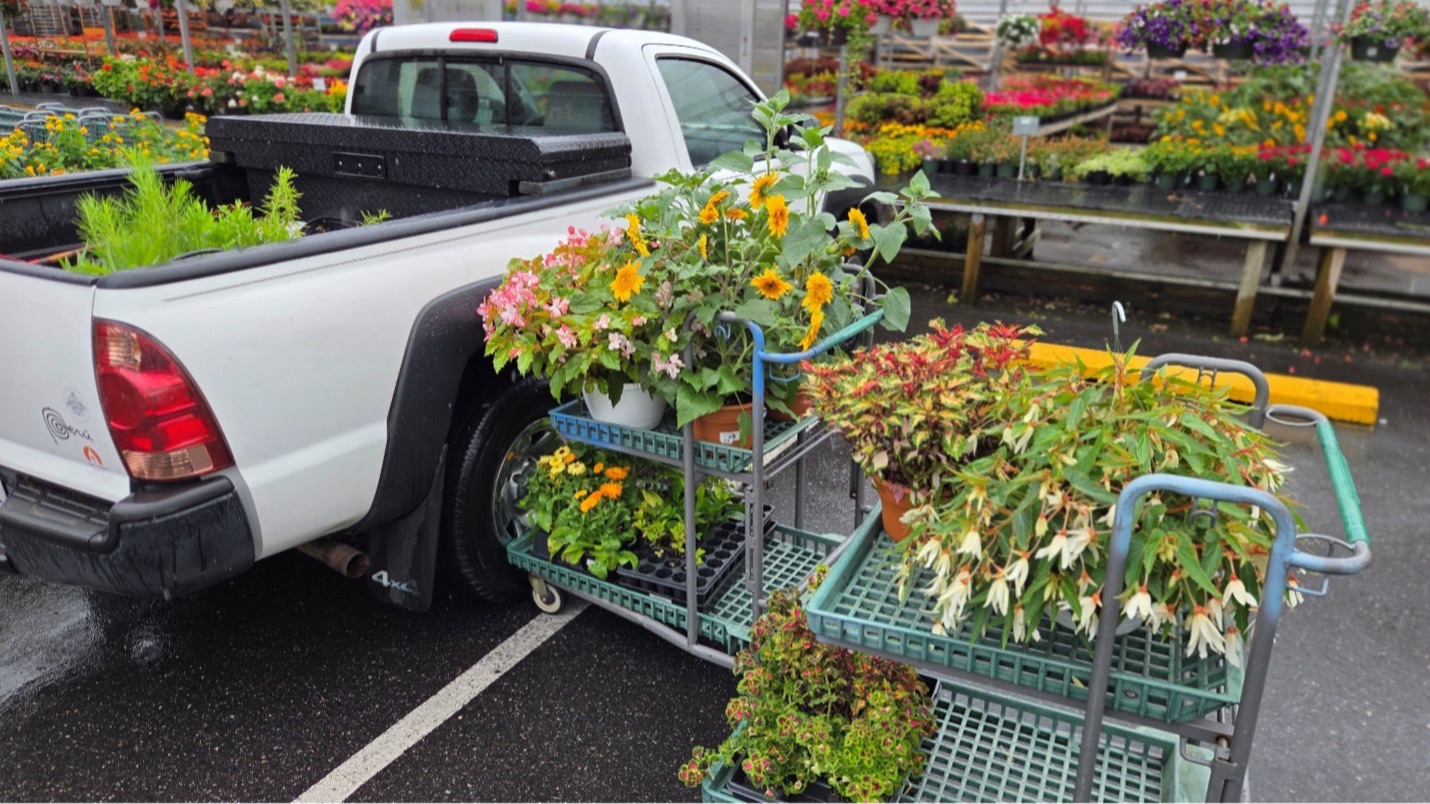
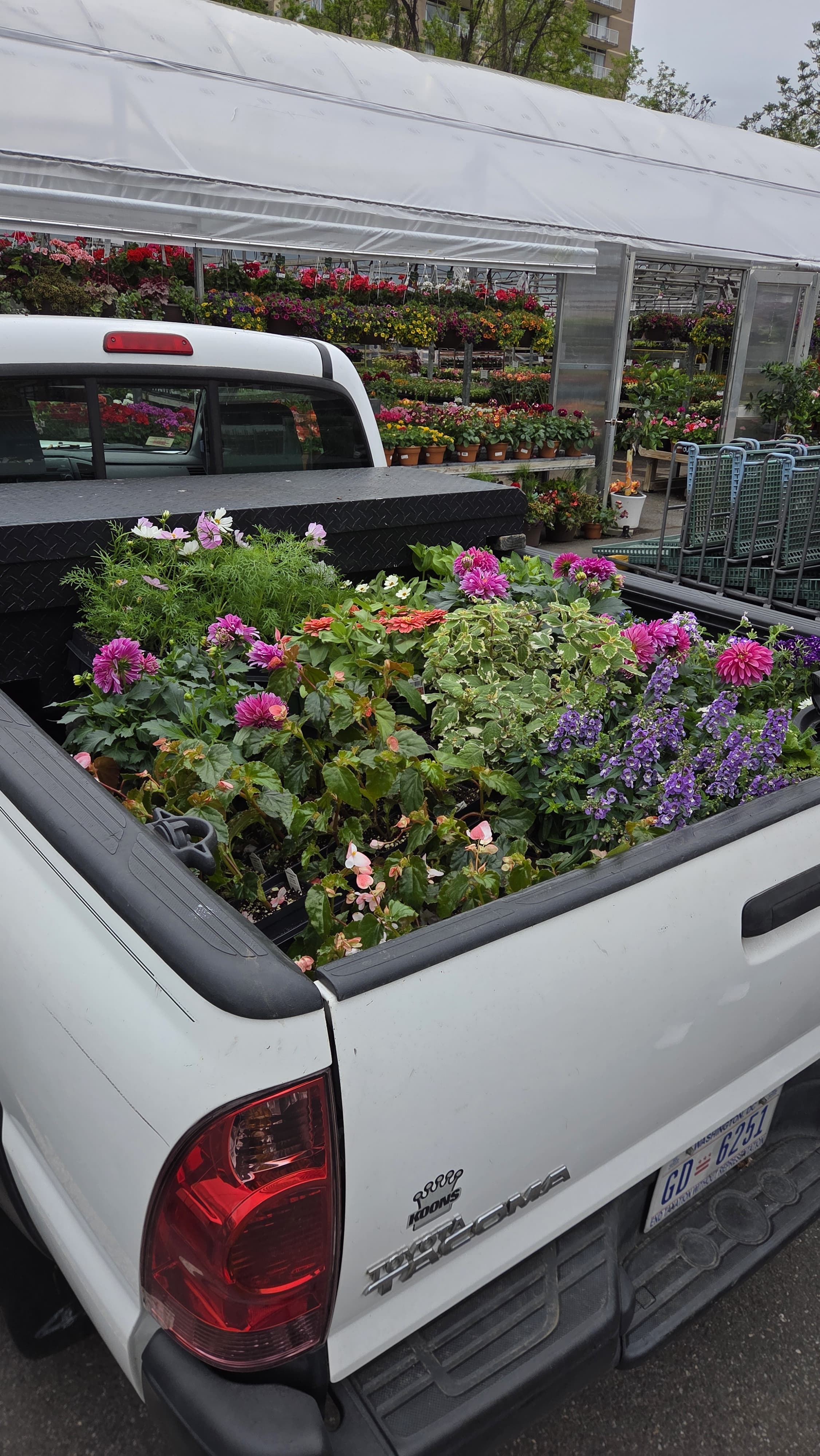
It’s tempting at this time to rush in and fill all the space. The nurseries are packed, everything looks enticing, and it feels like something should be happening to cure the hangover.
But I’ve learned to pause here, if I can make myself do it.
A lot of summer planting material isn’t especially interested in going into the ground while it’s still cool. Just because it’s available doesn’t mean it’s ready—or that the garden is ready for it. So this becomes a time for restraint: watching the weather, letting the soil warm, doing a bit of quiet work—mulching, tidying, preparing.
And thinking.
What wants to happen next? What actually belongs here? What will be happy now, and what would be better a few weeks from now?
I don’t always get this right. I’m as susceptible as anyone to the pull of a well-stocked nursery—even more so because I am always in them. But when I can hold back just a little and plant in stages, the garden is better for it.
Things come in at the right time. They establish more easily. And they wind down at different moments later in the season, which makes for a longer, more interesting run.
So I try—again and again—not to do it all at once.
Leave a little space. Let the garden catch its breath. Let yourself catch yours too.
Managing the Debris:
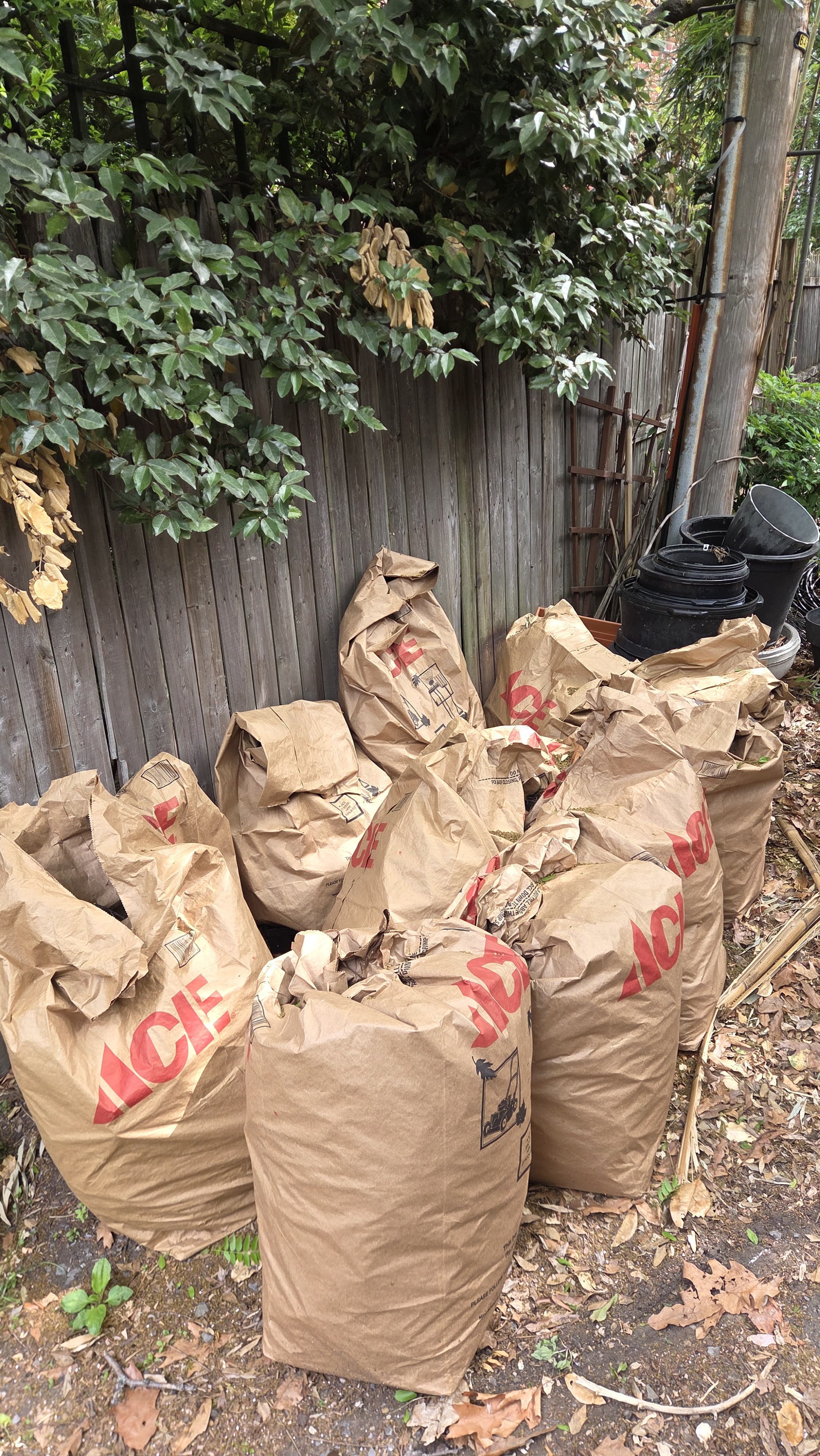
We take care of a lot of gardens, and this time of year—nearly as much as autumn—generates a lot of debris. Sometimes it’s shocking how much there is to get rid of.
In some of the gardens where we keep compost, now is a great time to work them up to speed and rebuild with new “green material.” Everyone who keeps compost has their own composting methods, tricks, and recipes—it would be a great topic for “A Growing Conversation” sometime.
Smaller spaces that don’t have room for composting require other measures. This season we are doing our best to bag all garden debris in paper bags and either deliver it to a city composting center or collect it until enough has been gathered to have a pro come and haul it off.
Paper bags hold up fairly well and don’t collect rain or seal and turn into a science experiment of decomposition like plastic bags do. And they can go directly to larger-scale composting.
Finally, I am not going to pretend that I don’t sometimes put garden debris into plastic and into the trash can. I do. Do I love doing it or am proud of it—no. I do feel kind of good about reusing the plastic bags things come in (mulch, potting soil, etc.) for debris. We do a lot with and for Mother Nature in this work, so a little forgiveness when we just have to get rid of debris.
Sometimes you just have to get the dang dishes done.
This party may be over. But the garden isn’t done.
It’s just time to clear the table a bit, rinse a few things off, and see what’s next.